
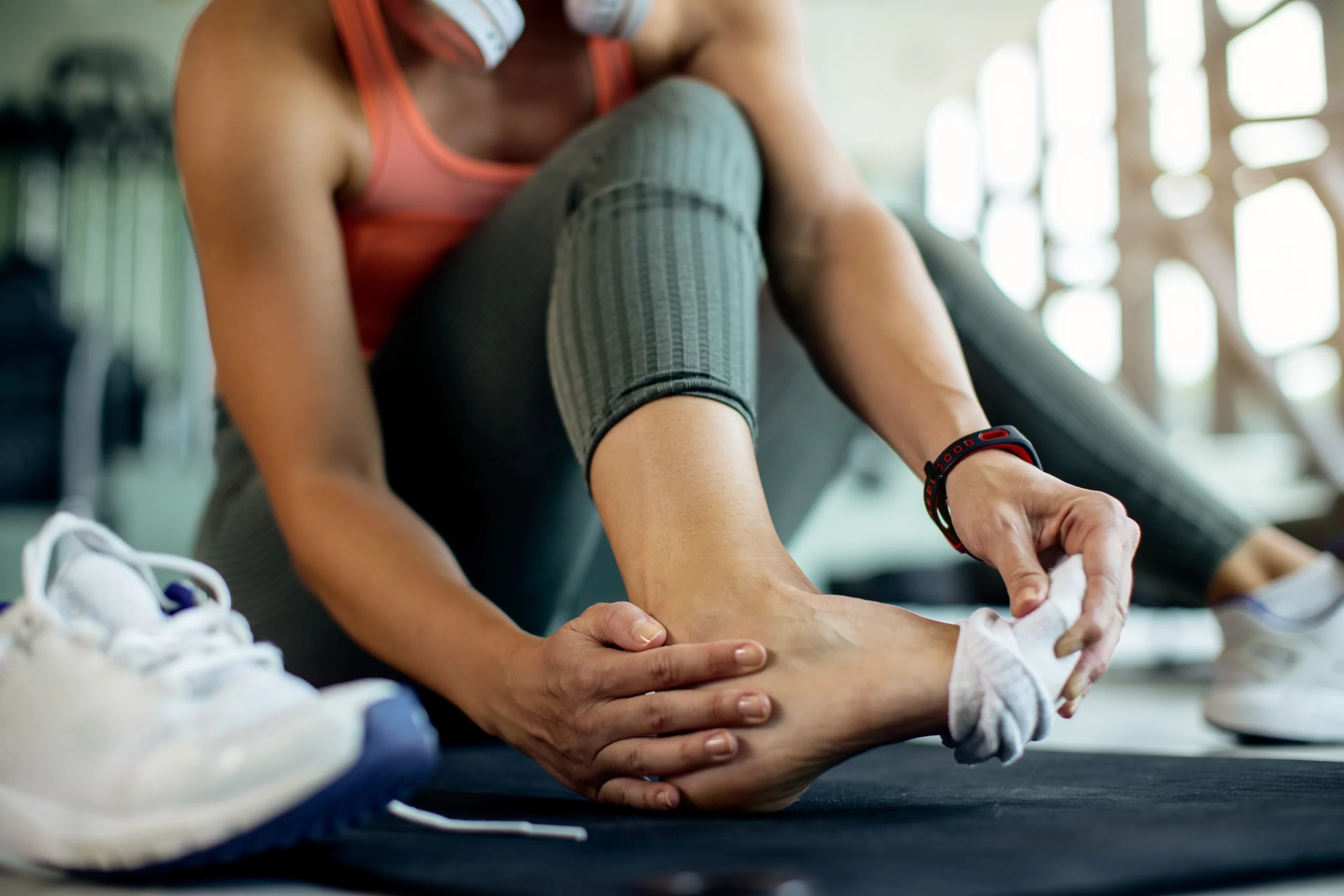
Whether you are a runner dealing with persistent knee pain, a gym-goer struggling with shoulder issues, or someone who wants to stay active without recurring injuries, effective rehabilitation is about more than simply resting and hoping symptoms improve.
At Peacock Pain & Injury, we provide sports injury rehabilitation and therapy in Mold designed to help active people recover properly, rebuild confidence, and return to activity safely. Our approach combines hands-on sports therapy, movement assessment, strength-focused rehabilitation, and advanced VALD performance testing to create a clear recovery pathway tailored to your body and goals.
For patients dealing with broader musculoskeletal pain or post-operative recovery, our physiotherapy service may also be appropriate alongside sports rehabilitation.
Pain often changes how you train, how you move, and how confident you feel during activity. Many people either stop exercising completely or continue training through discomfort because they are unsure what else to do.
We regularly help patients in Mold and the surrounding areas who are:
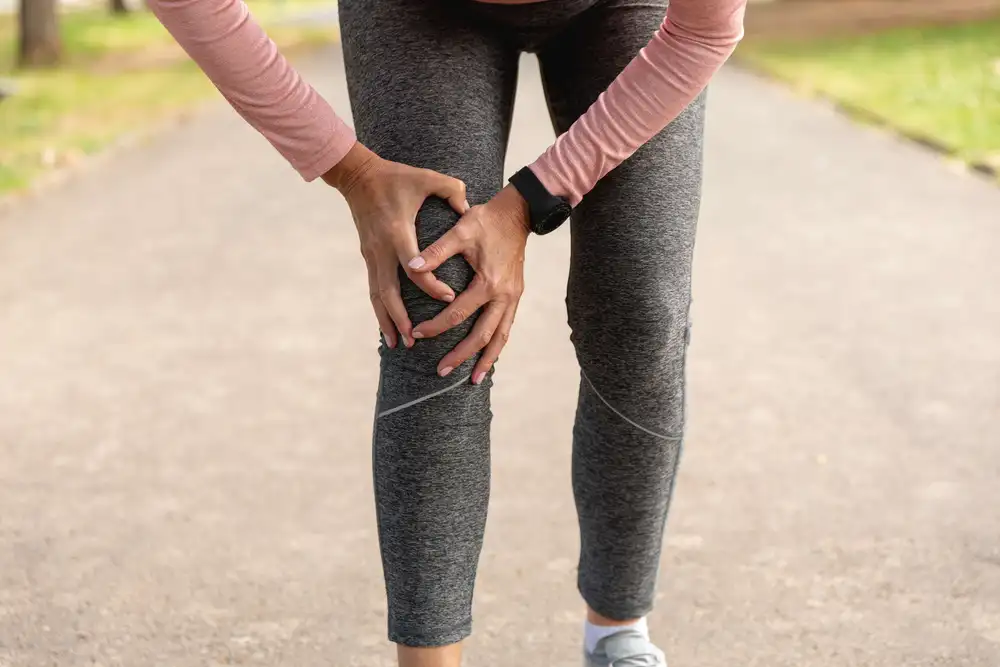
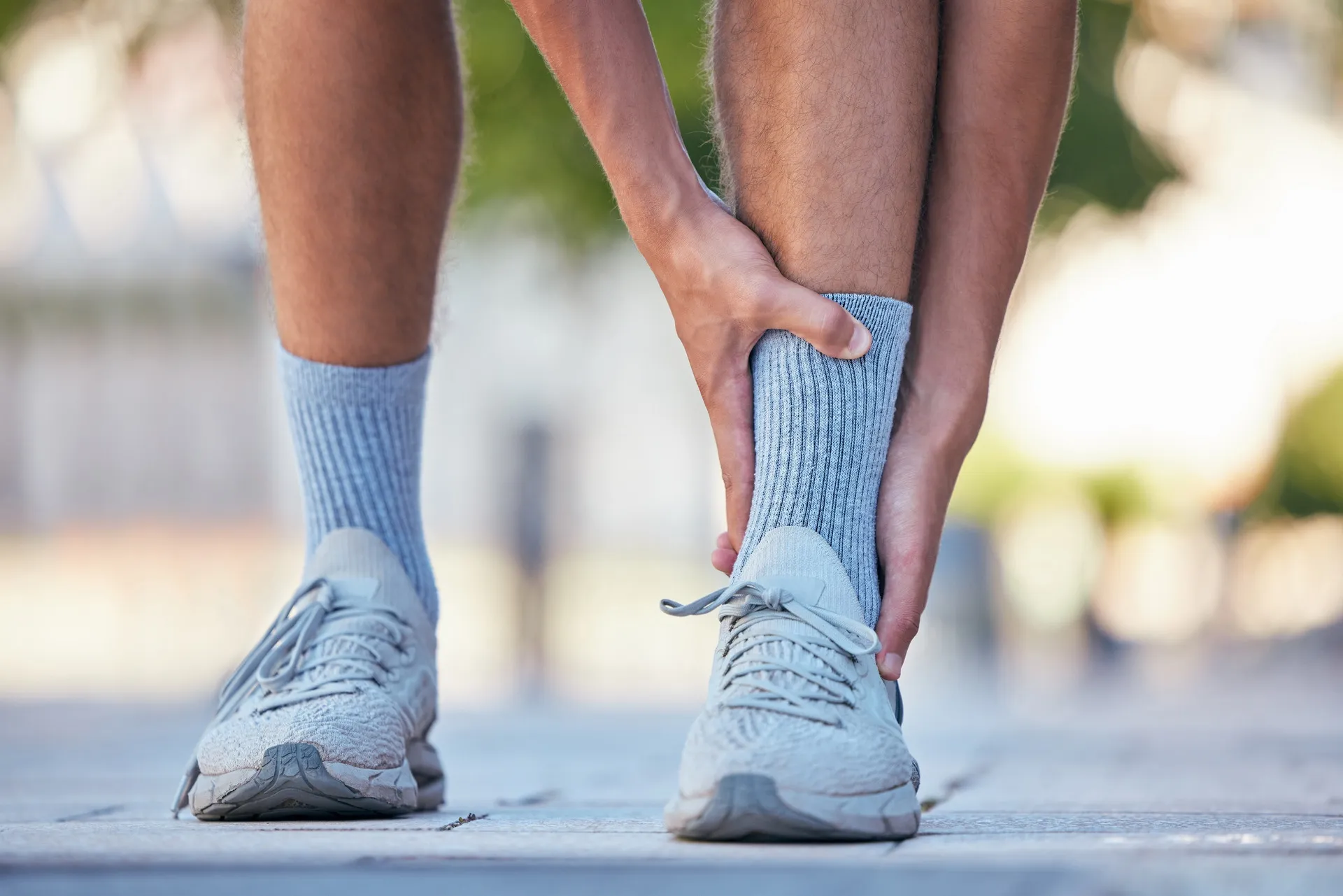
Running places repetitive load through the muscles, tendons, and joints, particularly when training volume increases too quickly or strength deficits are present.
We regularly support runners experiencing:
Gym-related injuries are common when movement quality, mobility, recovery, or loading patterns are compromised.
We commonly help active individuals experiencing:
Tendon and ligament injuries often become long-term issues when they are not managed correctly early on.
We regularly treat:
One of the most frustrating parts of injury recovery is when symptoms keep returning every time training intensity increases.
Recurring injuries are often linked to unresolved weakness, movement limitations, poor rehabilitation progression, or returning to sport too early.
Our aim is not only to help settle symptoms, but also to identify the factors contributing to repeated flare-ups so you can build long-term resilience.
Patients looking to improve overall movement control and injury prevention may also benefit from our Clinical Pilates service.
Every rehabilitation programme begins with a detailed assessment. We look beyond where the pain is located to understand how your body is functioning as a whole and what may be contributing to the problem.
Your assessment may include:
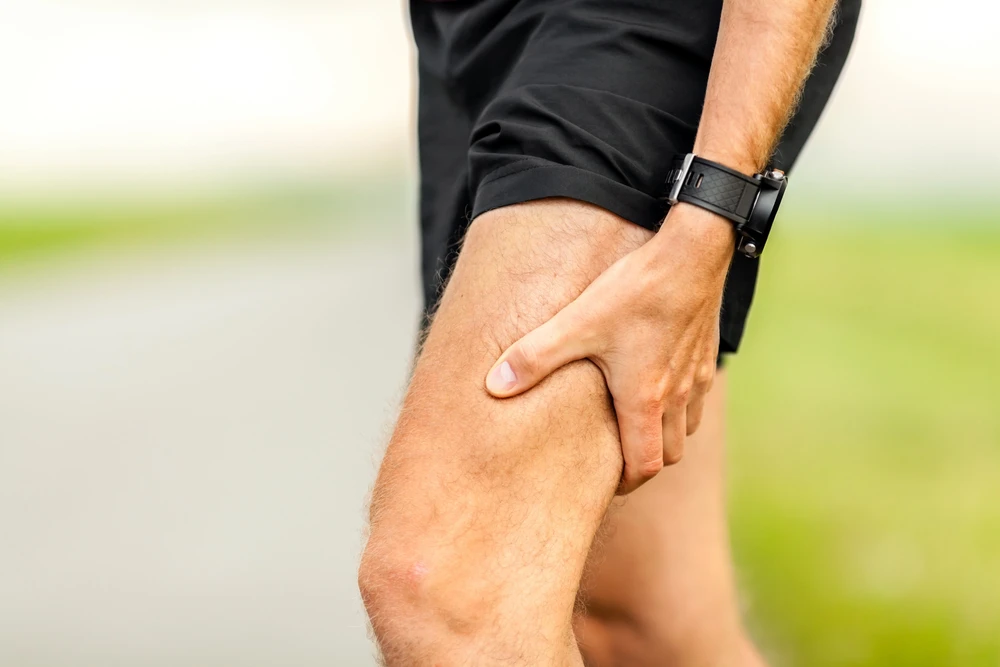

Hands-on treatment is an important part of sports injury rehabilitation when used correctly.
At Peacock Pain & Injury, manual therapy is not treated as a quick fix or standalone treatment. Instead, it forms part of a wider rehabilitation strategy designed to improve movement quality, reduce pain sensitivity, and help you tolerate rehabilitation exercises more effectively.
Depending on your injury and presentation, treatment may include sports massage therapy, soft tissue work, mobility-focused treatment, joint mobilisation, and movement-based manual therapy.
Hands-on treatment can be particularly useful for:
While manual therapy can help improve comfort and mobility, long-term recovery still depends on rebuilding strength, improving movement patterns, and progressing activity gradually.
That is why rehabilitation remains central to every treatment plan we provide. Patients requiring additional recovery support alongside rehabilitation may also benefit from sports massage therapy.
One of the major things that separates our clinic from many traditional rehabilitation services is our use of VALD performance technology.
Using VALD systems allows us to complete pre-season fitness and benchmark testing for patients to measure strength, force production, movement quality, balance, and asymmetries during rehabilitation.
Rather than relying purely on observation or assumptions, VALD testing provides measurable data that helps guide rehabilitation decisions more accurately.
This technology is widely used across:


VALD testing helps identify issues that may not always be obvious during standard assessment alone.
This may include:
Effective rehabilitation should progress as your body adapts and improves.
Our sports rehabilitation programmes are designed to evolve through each stage of recovery, from early pain management through to return-to-sport preparation.
Depending on your injury, rehabilitation may include:


We understand that most active people are not simply looking for temporary pain relief. They want to return to training, exercise, and sport feeling confident in their body again without constantly worrying that the same injury will return.
That is why our approach focuses on long-term recovery rather than short-term symptom management alone.
Every treatment and rehabilitation programme is tailored to the individual, their injury history, activity levels, and long-term goals. Whether you are recovering from a recent sports injury, struggling with persistent tendon pain, or dealing with repeated setbacks during training, we focus on understanding the root cause of the issue rather than simply treating the symptoms in isolation.
Our rehabilitation approach combines hands-on sports therapy with progressive strength-based rehabilitation, movement assessment, and advanced VALD performance testing. This allows us to monitor recovery objectively and build rehabilitation programmes that are designed to improve movement quality, restore confidence, and reduce the likelihood of future injuries.


 Trustindex verifies that the original source of the review is Google.
 Trustindex verifies that the original source of the review is Google.
 Trustindex verifies that the original source of the review is Google.
 Trustindex verifies that the original source of the review is Google.
 Trustindex verifies that the original source of the review is Google.
 Trustindex verifies that the original source of the review is Google.
 Trustindex verifies that the original source of the review is Google.
If pain or injury is affecting your ability to train, exercise, or stay active, professional rehabilitation can help you recover more effectively and return with confidence. At Peacock Pain & Injury, we provide sports injury rehabilitation in Mold focused on long-term recovery, movement quality, and return-to-performance support.
Whether you are dealing with a recent injury, recurring pain, tendon problems, or reduced performance during training, our team is here to help.
You can also explore our physiotherapy service, Clinical Pilates, and sports massage therapy for additional support alongside your rehabilitation plan.
Not always.
In many cases, modifying activity levels is more beneficial than complete rest. We will guide you on what can continue safely during rehabilitation.
Yes.
Recurring injuries often happen when underlying weaknesses or movement limitations are not fully addressed during recovery. Rehabilitation focuses on improving these areas to reduce future problems.
Recovery times vary depending on the injury, severity, training demands, and rehabilitation consistency.
Following assessment, we will provide clearer guidance around expected recovery timelines and rehabilitation stages.
Payment is taken after each session — we prefer card, but cash is also accepted. Want a receipt for your records? Just ask and we’ll send one straight to your inbox.
A quick note on insurance: we don’t invoice insurers directly, but your receipt will include your therapist’s registration details (HCPC, BASRaT, FHT, or equivalent) should you wish to claim through your own provider. Since every policy is different, it’s worth checking your cover with your insurer before you book.
Yes — many patients claim back physiotherapy, sports therapy, and sports massage through their health insurance. Policies vary from patient to patient, so please check with your insurer before booking that your policy covers your chosen therapist — it’s your responsibility to confirm this cover in advance.
Appointments are paid upfront on the day. We’ll give you a receipt showing your therapist’s registration number (HCPC, BASRaT, FHT, or other), which you submit to your insurer to claim back what your policy allows. As cover varies, we can’t guarantee reclaim amounts — any shortfall is your responsibility.
We know life doesn’t always stick to plan, and we’re happy to help you rearrange your appointment whenever you need to. The more notice you can give us, the better — with a minimum of 24 hours needed to avoid a charge.
We’ll send text and email reminders ahead of time to help you keep on track. To make a change, simply call or email us.
We and our partners, including Google, use cookies and personal data to analyse traffic and for ads personalisation and measurement. You can accept, reject or choose which cookies to allow. Privacy Policy • Cookie Policy • Terms & Conditions • Google Privacy
We use cookies to help you navigate efficiently and perform certain functions. You can choose which categories to allow below. Cookies categorised as Necessary are always active.
We also use third-party cookies for analytics and advertising. These are only stored with your consent. You can update or withdraw consent at any time via the cookie icon at the bottom-left. This site operates under UK GDPR, the Data Protection Act 2018, and the Privacy and Electronic Communications Regulations (PECR). Cookie Policy • Privacy Policy
Necessary cookies are required for core site features including security, network management, and consent storage.
| Cookie | Duration | Description |
|---|---|---|
hmdg_cookie_consent | 180 days | Stores your cookie consent preferences. |
PHPSESSID | Session | WordPress session identifier. |
wordpress_logged_in_* | Session | WordPress login authentication. |
Functional cookies enable enhanced features such as live chat and remembering preferences.
| Cookie | Duration | Description |
|---|---|---|
wp-settings-* | 1 year | Stores user interface preferences. |
Analytics cookies help us understand visitor behaviour. Controls analytics_storage for Google Analytics 4.
| Cookie | Duration | Description |
|---|---|---|
_ga | 2 years | Google Analytics — distinguishes users. |
_ga_* | 2 years | Google Analytics 4 — session persistence. |
_gid | 24 hours | Google Analytics — distinguishes users. |
_gat | 1 minute | Google Analytics — throttles request rate. |
Performance cookies collect aggregate, anonymous data about site performance.
| Cookie | Duration | Description |
|---|---|---|
_gat_gtag_* | 1 minute | Google Tag Manager — rate throttle. |
Marketing cookies track visits to deliver relevant ads. Controls ad_storage, ad_user_data, and ad_personalization.
| Cookie | Duration | Description |
|---|---|---|
_gcl_au | 90 days | Google Ads — conversion tracking. |
_gcl_aw | 90 days | Google Ads — click attribution. |
_gac_* | 90 days | Google Ads — campaign information. |
IDE | 1 year | Google DoubleClick — ad targeting. |
Powered by HMDG • Cookie Policy