Peacock Pain & Injury Clinic

Clinical Pilates in Mold, Flintshire

Your back won’t settle. You’re recovering from a hip replacement and want more targeted, hands-on guidance than generic exercise sheets can offer. You play sport and you know your core is the weak link. Or you just want to keep moving well for as long as possible.

One-to-one clinical Pilates at Peacock Pain & Injury Clinic is built entirely around you: your body, your history and your goals. Every session is supervised throughout by a qualified practitioner, and nothing is generic.

We work with patients from across Mold, Flintshire, Wrexham, Chester and the wider North Wales area.
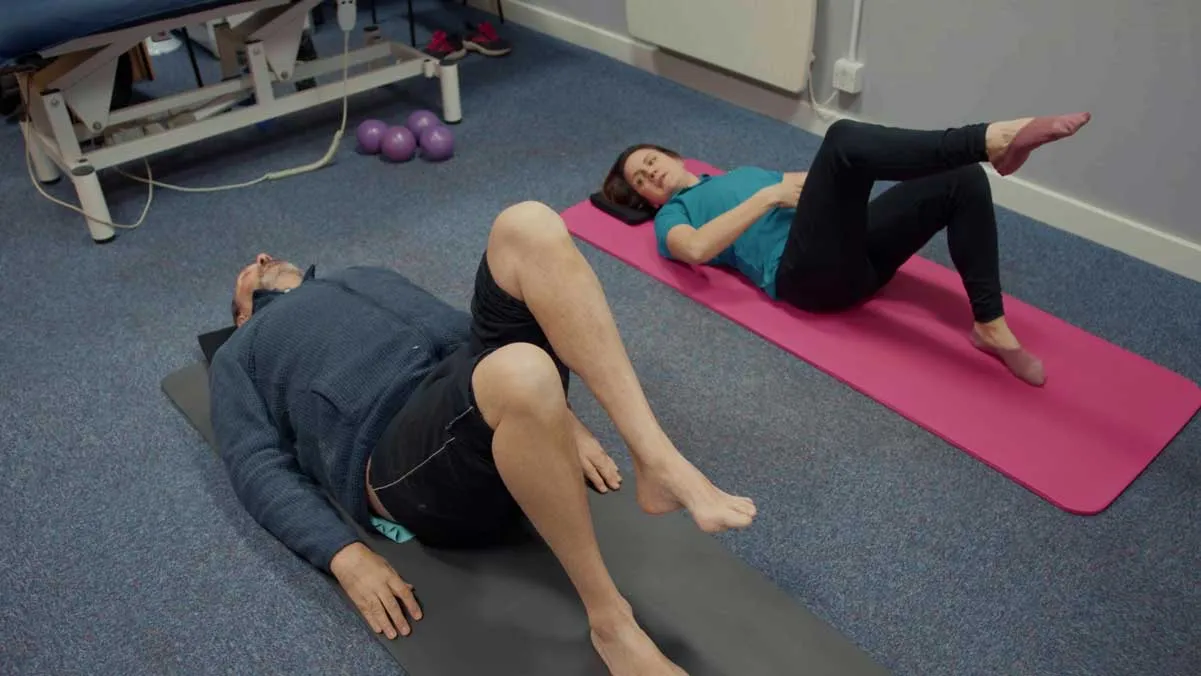
pilates 1

What Is Clinical Pilates?

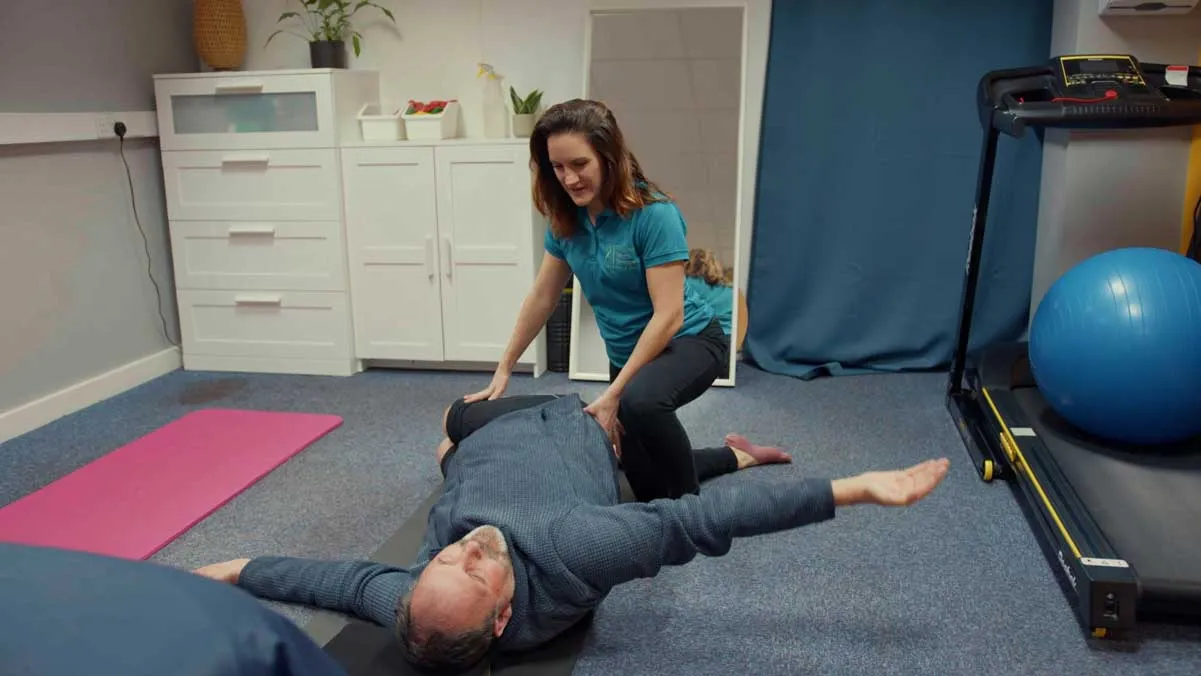
Clinical Pilates is rehabilitation-focused, one-to-one exercise delivered by a qualified clinician rather than a fitness class. It starts with a movement assessment, identifies what your body actually needs, and your sessions are adapted around that as you progress.

Unlike a group Pilates class, your session is adapted to you throughout. If you’ve tried Pilates before and found it didn’t address what you were dealing with, or you weren’t sure whether you were doing things correctly, this is the more appropriate option. It also works alongside hands-on physiotherapy and sports therapy as part of an active, concurrent approach to rehabilitation.
Who Is It For?

Our patients come to us for all sorts of reasons. Find yours below.
Lower back pain, disc-related pain and sciatica all respond well to clinical Pilates. It builds the deep core and spinal stability that the back needs to function properly, retraining the movement patterns that keep pain going rather than just managing symptoms. It pairs naturally with the treatment in our back pain and sciatica clinic, and your sessions are built around your specific presentation from the outset.
No two spines are the same, and scoliosis varies enormously: in the location, direction and degree of curvature, in the degree of rotation and twist, and in which structures are most affected. Idiopathic scoliosis, adolescent idiopathic scoliosis, degenerative adult scoliosis, thoracic curves and lumbar curves all call for genuinely different approaches. The exercise that’s right for one presentation may be wrong for another. One-to-one supervision isn’t simply helpful here; it’s essential.
Standard post-operative guidance after hip replacement focuses on movement precautions and basic mobility. Both matter, but they’re often incomplete. What frequently gets missed is the specific work needed to reactivate the gluteal and hip muscles that weaken significantly in the period around surgery. When those muscles aren’t strengthened and rehabilitated properly, the body compensates, and back pain, altered gait and ongoing instability are common consequences.
Clinical Pilates picks up where discharge guidance ends, systematically reactivating the right muscles and rebuilding proper mechanics. It works well alongside our physiotherapy treatments and our pre and post operation rehabilitation. Coming in before surgery? Stronger muscles around the joint beforehand mean significantly better recovery afterwards.
Leaking, heaviness, prolapse symptoms, pelvic girdle pain and a core that doesn’t feel like it’s working, they’re treatable. One-to-one clinical Pilates provides a properly assessed, individually designed programme for pelvic floor rehabilitation, prolapse management and core rebuilding, built around your specific delivery and recovery.
Balance and stability are skills that can be trained. Clinical Pilates builds the deep muscular control and proprioception that underpin confident, capable movement, helping you stay independent, keep doing the things you love and continue the activities that matter to you for longer. Whether that’s walking the hills, playing golf or simply carrying the shopping or climbing the stairs.
Think of your core as the ground you push off. Push off something solid and the power goes straight into the movement; push off something soft and much of it gets absorbed — so a weak core loses power generated by your arms and legs before it can do its job, even in athletes who feel strong. It’s also what protects your spine and posture under that load. The deep stabilising muscles that give you this stability are harder to activate than the larger muscles around them, so those bigger muscles take over and compensate instead. Clinical Pilates targets those deep stabilisers directly, improving performance and resilience in ways gym work alone typically doesn’t reach. Whether you’re managing an injury, coming back from one, or just want to move better under load, it fits alongside the assessment and treatment in our sports injury clinic, including for runners.
Recovery works best when hands-on treatment and targeted exercise happen alongside each other, not one after the other. Clinical Pilates is often introduced early — as soon as it’s clinically appropriate — building the strength, stability and movement quality that reduce the risk of injury recurring, while hands-on care continues to do its job. It works well alongside physiotherapy or sports injury treatment as the active rehabilitation component.
pilates 2

Want to Train With a Friend or Partner?

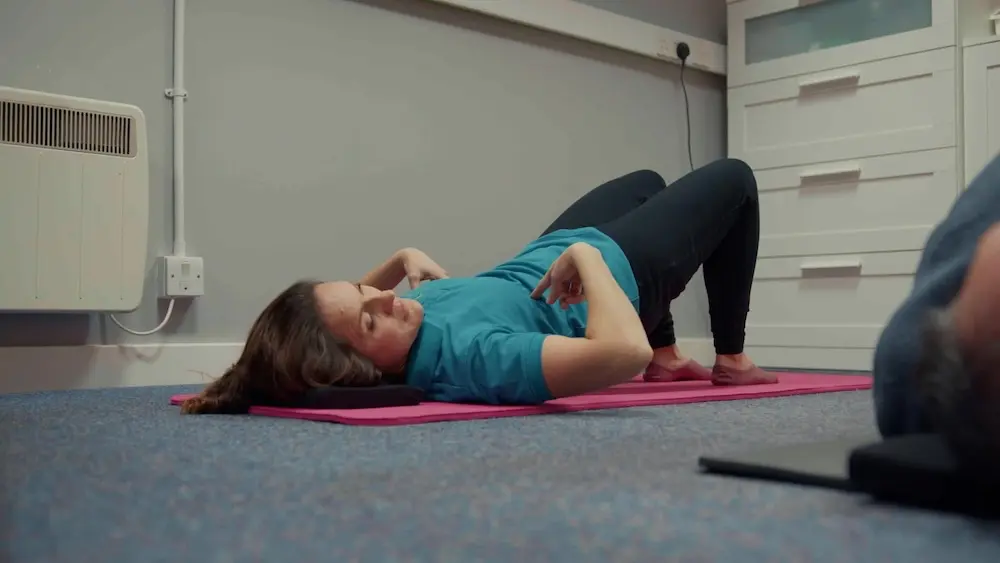
We offer paired sessions for two people who want to train together. Both participants receive individual attention throughout, so it isn’t a class. Because paired sessions need to be arranged separately, please get in touch rather than booking online and we’ll talk it through.
strength and mobility class

What to Expect

Your first session starts with a movement assessment and a conversation — your practitioner takes time to understand your history, symptoms and goals before you begin any exercises. From there, you’ll work through exercises chosen for what your assessment shows and what you’re hoping to achieve, focusing on the foundations: engaging the right muscles, moving with correct alignment, and building the control that more demanding work develops later.

You’ll leave each session knowing what you worked on and why. You’ll often be given a few exercises to practise at home between appointments, to help reinforce that progress. Details on session fees are available on our pricing page.

Meet Your Practitioner

Your clinical Pilates sessions are delivered by Isabel Bishop, a physiotherapist and sports massage therapist at Peacock Pain & Injury Clinic. Isabel holds a BSc in Physiotherapy from Manchester Metropolitan University, is HCPC registered, and is a qualified Pilates instructor, so your programme is guided by physiotherapy-led assessment rather than a set class plan.

Her clinical interests line up closely with the reasons people come to Pilates here: lower back pain and sciatica, hip pain, and sports injuries across active individuals and gym-goers. She combines physiotherapy assessment and rehabilitation with hands-on massage and cupping therapy, and she’s a keen gym-goer herself, which shapes how she approaches safe, progressive return to activity.

In her own words: “I help you recover faster, reduce muscle tension, and move pain-free so you can perform at your best.”

Isabel is known for being friendly, approachable and easy to talk to, with a collaborative style focused on helping you understand your body and manage things well for the long term. You can read her full profile and qualifications before you book.

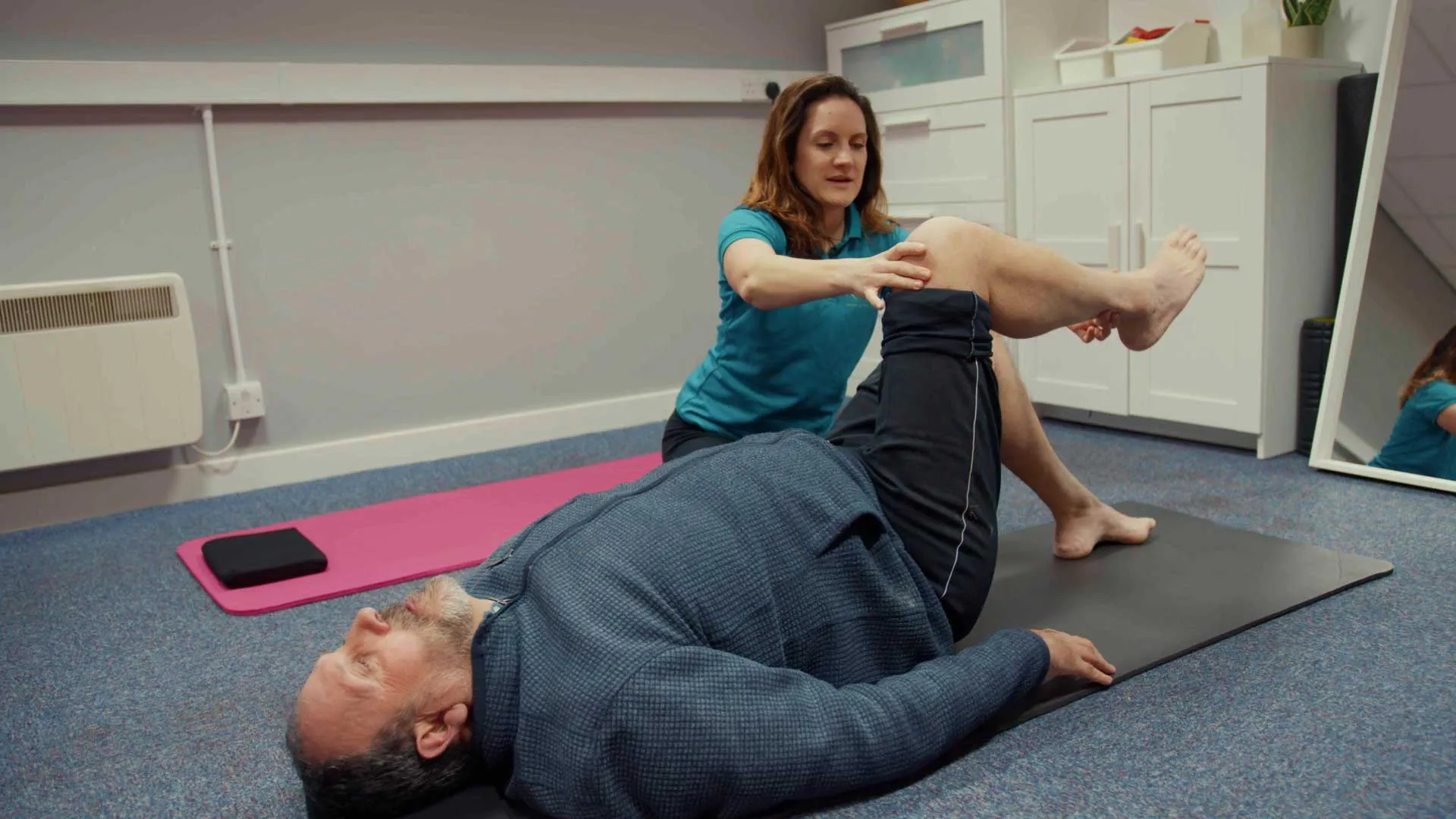
Isabel (Isy), Massage Therapist in Mold at Peacock Pain & Injury Clinic treating back and hip pain
pilates hero

Why Peacock Pain & Injury Clinic?

Clinical Pilates at Peacock sits within a pain and injury clinic, alongside our physiotherapists and sports therapists. That means your practitioner has proper clinical context for what they’re seeing, and if something needs a different or additional approach, such as hands-on physiotherapy, sports injury clinic or sports massage, you’ll be told and pointed in the right direction. You can read about the clinicians who make up our team before you book. It’s honest, clinically informed care from the first session.

Frequently Asked Questions

Rehabilitation-focused, one-to-one exercise delivered by a qualified clinician. It begins with a movement assessment, and your exercises are chosen and adapted around your specific needs and goals as you progress. It isn’t a fitness class.
No. A class follows a set programme for a group. Clinical Pilates is built entirely around you, starting with assessment, supervised throughout and progressed at the right pace for your body and your goals.
Yes. It’s one of the most well-evidenced applications of the method. Clinical Pilates builds deep core and spinal stability, and retrains the movement patterns that perpetuate back pain. Sessions are adapted around your specific presentation and goals from the start, and the work sits well alongside our back pain and sciatica treatment.
Yes. Muscles around the hip often weaken for years before a replacement is even needed, as the body compensates for the joint problem itself — and surgery, along with the healing of surrounding tissue, can weaken them further. Meanwhile, other muscles elsewhere take on extra load and become tight and overworked in compensation. Standard post-op guidance doesn’t always cover this whole-body pattern; without addressing it, the body keeps compensating, often causing back pain and altered movement. Clinical Pilates works on both sides of this — strengthening the weakened muscles and releasing the overworked ones — to restore proper alignment. Going into surgery as strong as possible generally makes recovery quicker and easier.
Yes. During pregnancy, hormonal changes relax the ligaments in preparation for childbirth, and that extra laxity — combined with the added weight and strain of carrying a baby — puts pressure on muscles and joints. Pilates helps by maintaining strength and mobility where it’s safe to do so: easing the muscles taking the extra load, and strengthening others to support the changing demands on your body. This supports pelvic stability and helps manage lower back and pelvic girdle pain. Postnatally, it covers pelvic floor rehabilitation, prolapse management and core rebuilding, assessed and designed around your specific circumstances rather than a generic template.
Yes, and it’s well supported by research. Clinical Pilates builds the deep muscular control and proprioception that underpin good balance. That matters differently depending on who you are — for athletes, it’s the stability behind a tennis serve, a golf swing, a cricket shot or a dance routine, where balance under rotation and load makes the difference between power and injury; for someone managing stairs or moving confidently around the house, it’s the control to do that safely; for someone wanting to keep their independence to get to the shops unaided, it’s the balance and strength to do it with confidence. Whatever “staying capable” looks like for you, it’s one of the most effective tools available.
Yes. Scoliosis varies so significantly between individuals — in curve direction, location, rotation and degree — that a tailored one-to-one approach is essential. Idiopathic, adolescent, degenerative and adult presentations all require different exercise selection. Your sessions are built specifically around your spine.
Yes. Whether it’s the rotational power in a golf swing, stability through a tennis serve, or control in a sprint or scrum, that performance runs through the same deep stabilising muscles — the ones gym work alone often doesn’t reach. Clinical Pilates targets them directly, which is why it’s used for injury prevention, rehabilitation and performance improvement across most sports.
No. Your practitioner starts from the foundations and adapts each session to your current level, so it’s suitable whether you’re completely new to this or already active.
Yes, we offer paired sessions. These need to be arranged separately rather than booked online — please get in touch so we can check it suits both of your needs and goals.
No. Book directly online or call 01352 746 500. Any relevant notes or imaging from other clinicians are welcome but not required.
Bromfield Commercial Park, Stephen Gray Road, Mold, CH7 1HE. We see patients from across North Wales including Wrexham, Flint, Buckley, Holywell and Chester.

Book a One-to-One Clinical Pilates Session in Mold

Whether you’re managing back pain, recovering from surgery, rebuilding after pregnancy, staying active and capable for longer, or wanting to perform better in your sport, we’ll choose and adapt your sessions around what your body actually needs.

Book online today, or call 01352 746 500 to talk it through first. For paired sessions, please get in touch directly.