
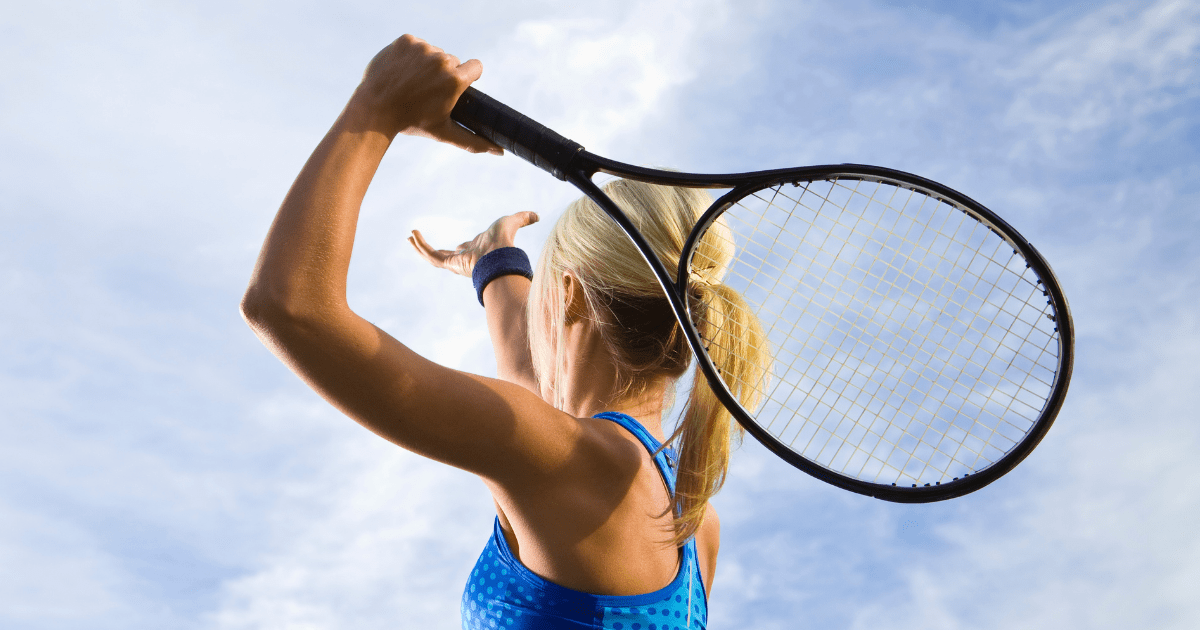
Both are overuse injuries affecting the tendons at the elbow. Tennis elbow causes pain on the outside of the elbow, golfer’s elbow on the inside and both typically take anywhere from a few weeks to a few months to settle, depending on how long it’s been going on and how it’s managed. Neither is exclusive to the sport in its name; both are common with any repetitive gripping or wrist movement.
Racket sports and golf are common triggers, especially through summer, but plenty of people get these without ever picking up a racket or club.
Tennis Elbow
Pain and tenderness on the outside of the elbow, often made worse by gripping, lifting, or twisting movements, shaking hands, lifting a kettle, or turning a door handle can all bring it on. It’s caused by overuse of the tendons that extend the wrist, and while it’s associated with tennis (particularly the backhand), it shows up just as often from repetitive manual work, DIY, or gym training.
Golfer’s elbow
The mirror image, pain and tenderness on the inside of the elbow, linked to overuse of the tendons that flex the wrist. Associated with golf, but equally common from lifting, throwing, or repetitive gripping activities.
Why these tend to drag on
Both conditions are notorious for lingering longer than people expect, mainly because the affected tendons have a relatively poor blood supply, which means they heal more slowly than muscle. Continuing the aggravating activity without addressing it properly is the most common reason these become a months-long problem rather than a few-week one.
What a realistic timeline looks like
- Mild, caught early: often settles within a few weeks with the right adjustments and treatment.
- Longer-standing or ignored: can take several months, sometimes requiring a more structured, staged approach to load the tendon appropriately again.
What treatment involves
Assessment to confirm what’s actually happening, followed by a plan that typically combines easing the immediate pain with a gradual, structured loading programme for the tendon, since tendons need the right amount of controlled stress to heal well, not complete rest and not continued overuse.
Book your assessment in Mold
If elbow pain is flaring up on the court, the course, or anywhere else, our team can help you get to the bottom of it. Book your assessment with our Physiotherapy or Sports Therapy team in Mold, let us know if you have a preferred therapist. Book now.