

Yes, for most people Pilates is a safe and effective way to ease back pain and stop it coming back. It builds strength and control through your trunk, hips and spine, and helps you move with more confidence. The key is doing the right exercises, at the right level, with good technique, especially if your back is sore right now.
Why does my back keep hurting?
Most back pain isn’t caused by serious damage. More often, it’s a mix of things building up over time:
- Long hours sitting at a desk, driving or on the sofa
- Weakness or stiffness around the hips and trunk
- Lifting, gardening or DIY when your body isn’t used to it
- Stress, poor sleep and being less active than usual
The tricky part is that when your back hurts, it’s natural to move less and hold yourself stiffly. That protects you in the short term, but over time it can leave your back weaker and more sensitive, and the pain keeps coming back.
How does Pilates help back pain?
Pilates works on the things that help a sore back settle and stay settled:
- Core and trunk strength, so your spine is well supported when you bend, lift and twist
- Movement control, so you move smoothly rather than bracing or guarding
- Hip and spine mobility, easing the stiffness that builds up from sitting
- Breathing and body awareness, which help you relax overworked muscles
- Confidence, because gradually doing more shows your back it’s safe to move again
NICE guidance recommends group exercise programmes for people with low back pain, and Pilates is one of the approaches that fits well within that.
Can Pilates make back pain worse?
It can, if exercises are too hard, done with poor technique, or not suited to your back. This is the most common worry we hear, and it’s a fair one.
Things that can aggravate a sore back include:
- Jumping straight into advanced exercises or long holds
- Pushing into pain to “get through” a movement
- Copying a video without anyone checking your form
- Doing the same class as everyone else when your back has different needs
Pilates done well should leave you feeling looser and stronger, not sore for days. Some mild muscle tiredness is normal. A sharp increase in pain, or pain spreading down your leg, is a sign the exercise needs changing.
What makes a Pilates class back-friendly?
If you’re managing back pain, look for:
- Small groups, so the instructor can actually see how you’re moving
- Instructors with clinical training, who understand back pain and injury
- Options for every exercise, so you can work at your own level
- A focus on technique, rather than doing as many reps as possible
When should I get my back checked first?
We’d recommend a physiotherapy assessment before starting a class if:
- Your back pain is new, severe or getting worse
- You have pain, pins and needles or numbness down one leg (often called sciatica)
- Your pain hasn’t improved after a few weeks
- You’ve had back surgery or a back injury and aren’t sure what’s safe
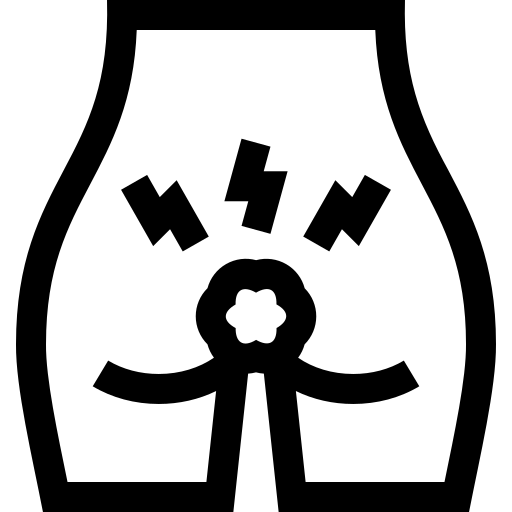
Seek urgent medical help (A&E or 999) if back pain comes with numbness around your bottom or genitals, new problems controlling your bladder or bowels, or weakness in both legs. These are rare but need checking straight away.
Group Pilates or one-to-one?
Both work well, depending on where you’re starting.
- Group Pilates classes are ideal if your back pain is manageable and you want to build strength, control and good habits in a friendly group.
- 1-2-1 Clinical Pilates is assessment-led and built entirely around you. It’s a good stepping stone if your back is quite sensitive, or you’d like to get confident with the basics first.
Many of our patients start one-to-one, then move into a class, and some move between the two as needed.
Pilates classes at our Mold clinic
Our Pilates classes are Matwork Pilates, using small equipment like bands, balls and rings. Because we’re a pain and injury clinic, every class is shaped by our clinical approach:
- Up to 10 people, so you always get proper attention
- Every exercise checked and adapted around your back and any other injuries
- Mixed ability, with everyone working at their own pace
- Relaxed and sociable, with nobody watching to see how flexible you are
It’s not just for backs, either. Our classes also help with shoulder and joint stability, balance for runners and walkers, and posture from desk work, driving or cycling.
From November, classes run in our new upstairs studio at 39–41 Wrexham Street, Mold.
Try a free taster session
If back pain has been holding you back, come and try a class for free. Just let us know about your back when you book, and we’ll adapt the session around you.
Book your free taster, see the class timetable, or call us on 01352 746 500.
Frequently asked questions
Is Pilates good for lower back pain? For most people, yes. Pilates builds trunk strength, movement control and mobility, which help back pain settle and reduce flare-ups. Start at the right level, ideally with an instructor who can check your technique.
Can Pilates make my back pain worse? It can if exercises are too advanced or done with poor form. Pilates should leave you feeling looser and stronger. Sharp or spreading pain means the exercise needs adapting.
How often should I do Pilates for back pain? Once or twice a week is a good start. Most people notice smaller changes within weeks and more significant change after around three months of regular practice.
Is mat Pilates or reformer Pilates better for back pain? Both can help. Mat Pilates is easy to adapt and to continue at home. Good technique and an instructor who understands back pain matter more than the equipment.
Should I see a physio before starting Pilates? If your back pain is new, severe, getting worse or travelling down your leg, yes. A physiotherapy assessment means your exercises can be tailored to you from the start.
Do you run Pilates classes in Mold? Yes. We run small-group Matwork Pilates classes at 39–41 Wrexham Street, Mold, and see people from across Flintshire, Wrexham and Chester.